The Ultimate Guide To Companion Planting For Ginger
The Ultimate Guide to Companion Planting for Ginger
Ginger is a delicious and versatile root vegetable that can be used in a variety of dishes. It is also a relatively easy plant to grow, but it can benefit from companion planting. Companion planting is the practice of planting different types of plants together in order to promote their growth and deter pests.
There are a number of different plants that can be grown as companion plants for ginger. Some of the best include:
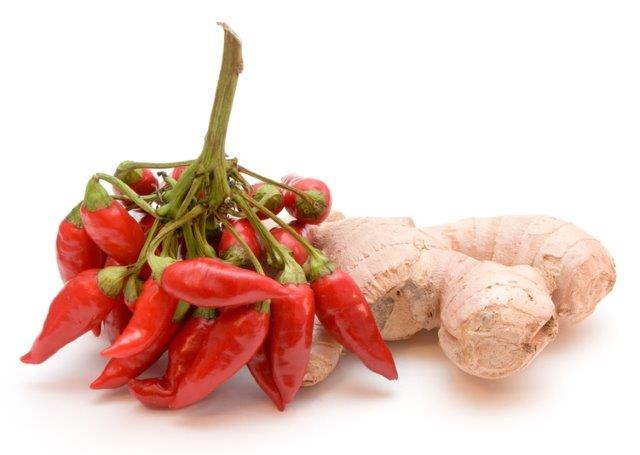
- Chili peppers: Chili peppers and ginger have a symbiotic relationship, meaning that they benefit each other when they are grown together. The chili peppers help to repel pests that would otherwise attack the ginger, while the ginger helps to improve the flavor of the chili peppers.
- Turmeric: Turmeric is another root vegetable that is related to ginger. It has similar growing requirements and can be planted in the same way. Turmeric and ginger can also be used together in cooking, so growing them together is a great way to save space in your garden.

- Beans: Beans are a nitrogen-fixing plant, which means that they can help to improve the nitrogen content of the soil. This is beneficial for ginger, as it is a heavy feeder. Beans can also help to suppress weeds, which can help to keep your ginger plants healthy.

- Cilantro: Cilantro is a herb that is often used in conjunction with ginger. It has a strong smell that can help to repel pests. Cilantro also helps to improve the flavor of ginger, so growing them together is a great way to get the most out of both plants.
- Leafy greens: Leafy greens, such as lettuce, spinach, and kale, can help to shade the ginger plants and protect them from the hot sun. They can also help to improve the drainage of the soil, which is important for ginger.


In addition to these plants, there are a number of other plants that can be grown as companion plants for ginger. Some of these include:
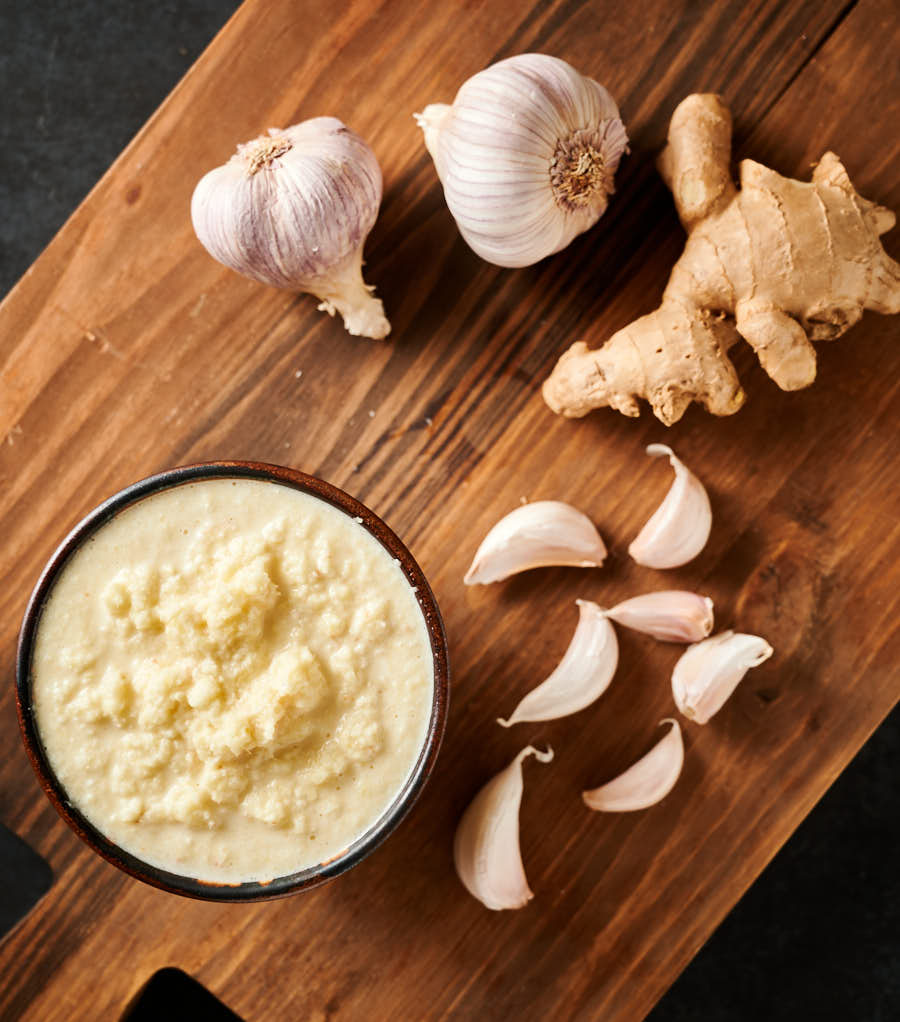
- Garlic: Garlic has a strong smell that can help to repel pests. It can also help to improve the flavor of ginger.
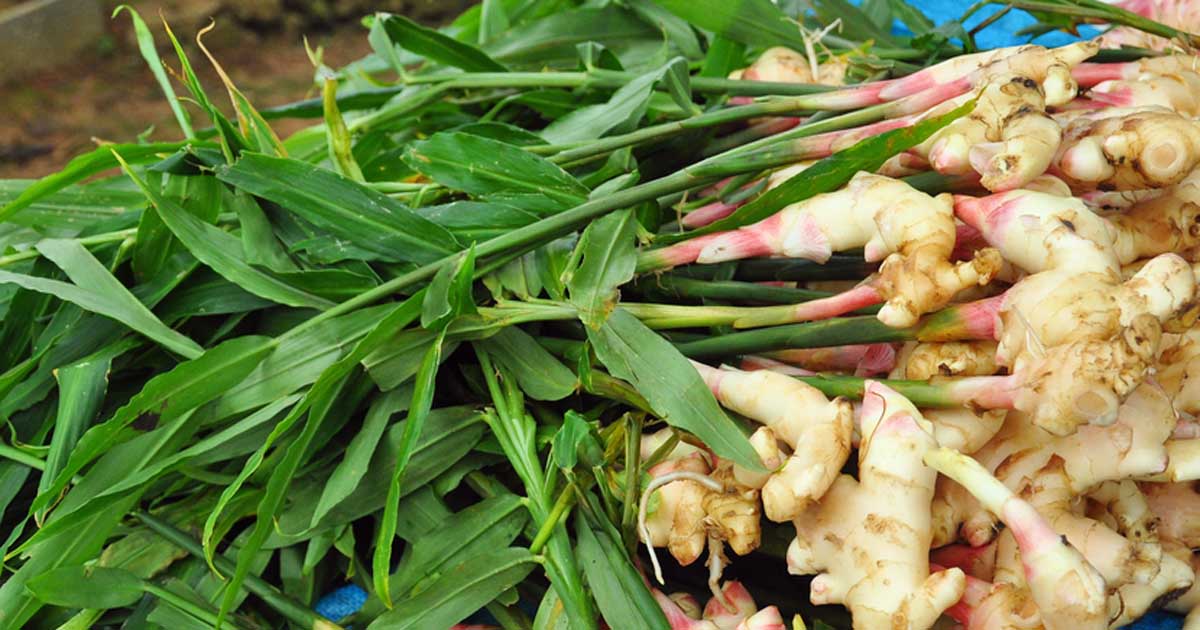
- Lemongrass: Lemongrass is a tall grass that can provide shade for ginger plants. It also helps to improve the drainage of the soil.

- Fruit trees: Fruit trees, such as bananas and citrus trees, can provide shade and nutrients for ginger plants. They can also help to attract pollinators, which can help to improve the yield of your ginger plants.
When choosing companion plants for ginger, it is important to consider the growing requirements of both plants. Ginger prefers full sun, well-drained soil, and high humidity. The companion plants that you choose should have similar growing requirements.
It is also important to consider the pests and diseases that are common in your area. Companion plants can help to repel pests and diseases, so choosing the right plants can help to protect your ginger plants.
By following these tips, you can choose the best companion plants for ginger and promote the growth and health of your plants.
Ginger is a delicious and versatile root vegetable that can be grown in many different climates. But did you know that there are certain plants that can help your ginger grow even better? That's right, companion planting can be a great way to boost the health and productivity of your ginger plants.
Some of the best companion plants for ginger include:
- Turmeric: Turmeric is a close relative of ginger, and the two plants benefit each other in a number of ways. Turmeric helps to repel pests that can damage ginger plants, and ginger helps to improve the flavor and aroma of turmeric.
- Lemongrass: Lemongrass is a tall, grassy plant that provides shade for ginger plants. It also helps to repel pests and diseases.
- Basil: Basil is a fragrant herb that helps to repel pests and attract beneficial insects. It also adds a delicious flavor to ginger dishes.
- Chili peppers: Chili peppers help to deter pests and diseases, and they also add a bit of heat to ginger dishes.
If you're interested in learning more about companion planting for ginger, I recommend visiting Gardenia Inspiration. This website has a wealth of information on the topic, including a list of the best companion plants for ginger, as well as tips on how to plant and care for your ginger plants.
FAQ of companion planting for ginger
Q: What are some good companion plants for ginger?
A: Some of the best companion plants for ginger include:
- Beans and peas: These plants help to fix nitrogen in the soil, which is beneficial for ginger.
- Chili peppers: Chili peppers help to deter pests, such as aphids and spider mites, from ginger plants.
- Nasturtiums: Nasturtiums attract beneficial insects, such as ladybugs and lacewings, which help to control pests.
- Garlic: Garlic helps to repel nematodes, which can be a problem for ginger plants.
- Fruit trees: Fruit trees provide shade for ginger plants, which can help to prevent them from getting too hot.
Q: What are some plants that should not be planted with ginger?
A: There are a few plants that should not be planted with ginger, including:
- Tomatoes and eggplant: These plants are in the nightshade family, and they can transmit a bacterial wilt disease to ginger plants.
- Walnut trees: Walnut trees release a chemical that can inhibit the growth of ginger plants.
- Full shade trees: Ginger plants need full sun to thrive, so they should not be planted under full shade trees.
Q: When is the best time to plant ginger?
A: The best time to plant ginger is in the early spring, after the last frost. Ginger plants can also be planted in the fall, but they may not have enough time to mature before the first frost.
Q: How do I care for ginger plants?
Ginger plants need full sun, well-drained soil, and regular watering. They should be fertilized every few weeks with a balanced fertilizer. Ginger plants are relatively pest- and disease-resistant, but they may be susceptible to aphids and spider mites.
Image of companion planting for ginger
Here are 5 different images of companion planting for ginger from Pinterest:
- Image 1: A garden bed with ginger plants surrounded by tomatoes, beans, and lettuce.

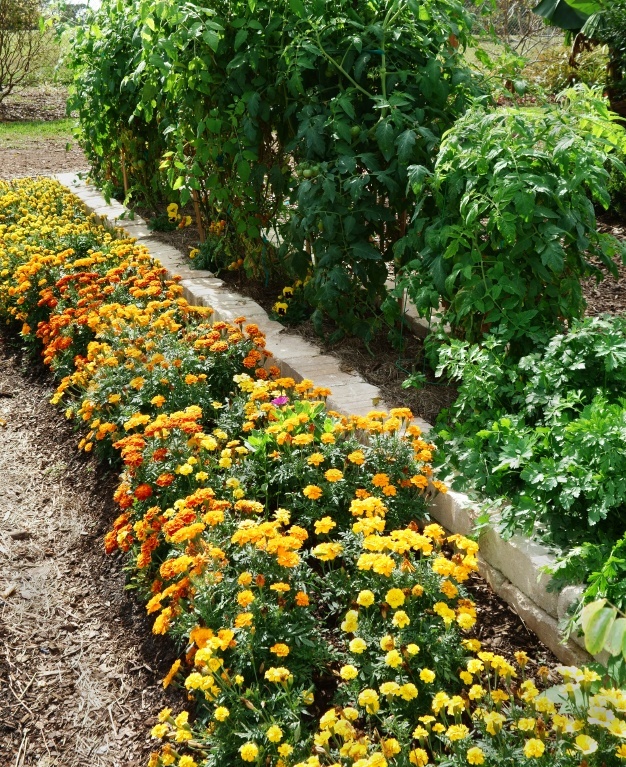
- Image 2: A close-up of a ginger plant with companion plants of marigolds and basil.
- Image 3: A row of ginger plants with companion plants of garlic and onions.

- Image 4: A pot of ginger plants with companion plants of chives and mint.

- Image 5: A garden bed with ginger plants surrounded by flowers such as sunflowers, zinnias, and cosmos.


Post a Comment for "The Ultimate Guide To Companion Planting For Ginger"